Public Notice for Low Power FM

On December 15, 2023, Black Appalachian Coalition, an applicant for a new Low Power FM broadcast station on 101.5 in Warren, OH, filed an application with the Federal Communications Commission for an original construction permit for a new station. Members of the public wishing to view this application or obtain information about how to file comments and petitions on the application can visit https://enterpriseefiling.fcc.gov/dataentry/views/public/fmDraftCopy?displayType=html&appKey=25076ff38c46c86a018c5f7126572be8&id=25076ff38c46c86a018c5f7126572be8&goBack=N

Public Notice for Low Power FM Read More »

BLAC Launches Podcast

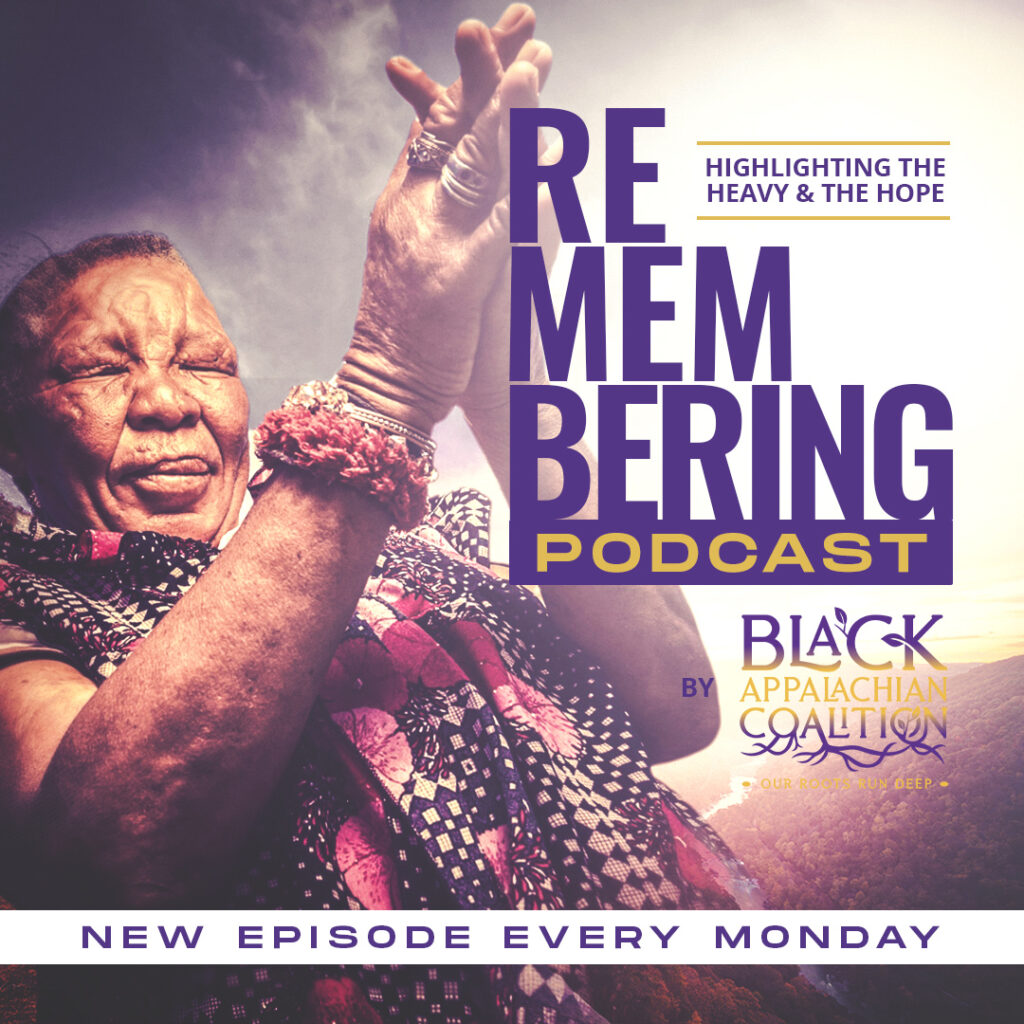
The Black Appalachian Coalition has launched its own podcast, and our first two episodes are now available! “Black Re-Membering” will bring to you the heavy and the hope across the Ohio River Valley. This is a place where we will let our souls wander. A place where we will sit in the ancestral hymns of what continues to be embedded in our soul and keeps us moving. This is a place where we will remind ourselves that we are deeply rooted in the fabric of the Appalachian region and that the Black Voice has something to say. Please check out the podcast, follow to get updates for upcoming episodes and share with a friend!

BLAC Launches Podcast Read More »

Petrochemical Lunch & Learn Series

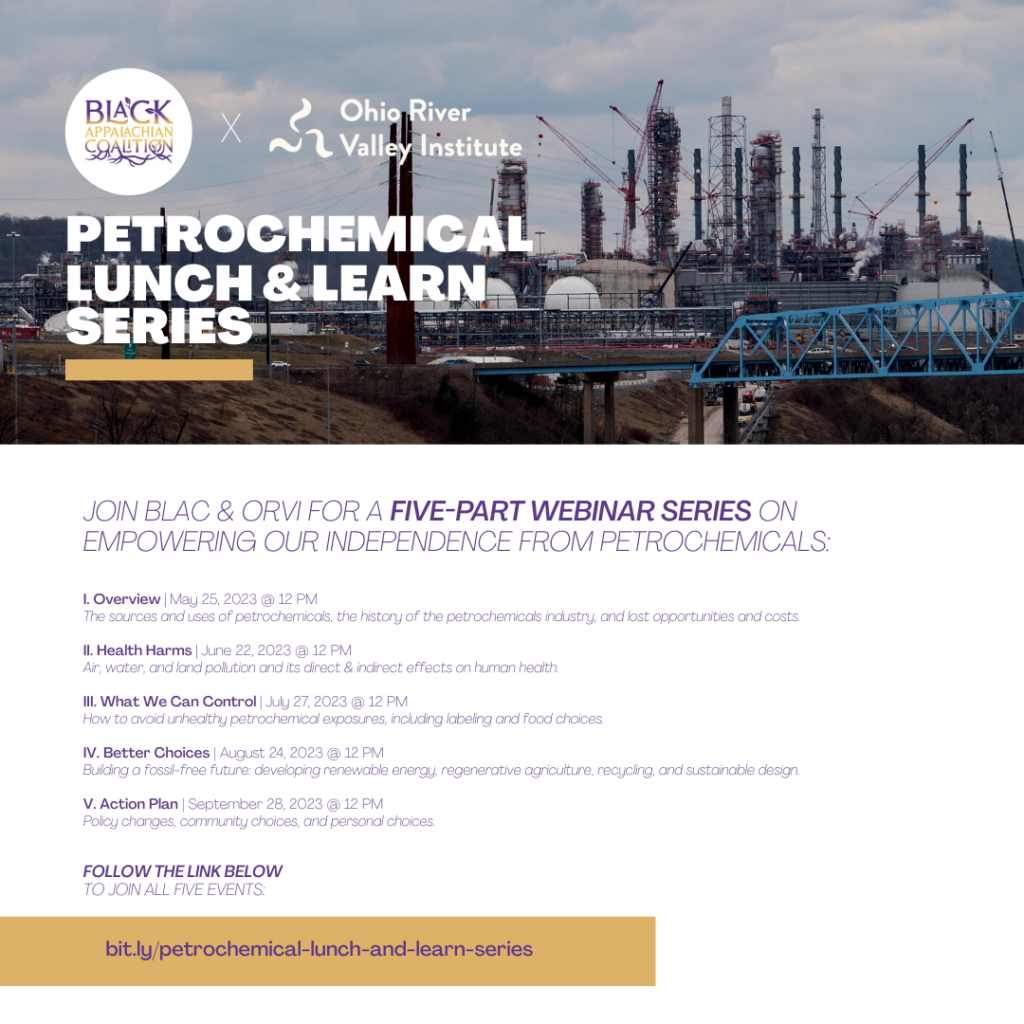
This summer, join the Black Appalachian Coalition- BLAC and Ohio River Valley Institute (ORVI) for a lunch & learn series on the impacts of petrochemical development on Black communities in Appalachia. To register, click here: bit.ly/petrochemical-lunch-and-learn-series Petrochemicals—oil- and gas-based chemicals used to make plastics and pesticides—are harmful to human health and the environment. The process of making petrochemicals creates dangerous air and water pollution. People, and especially children, living near petrochemical production facilities have higher risk of many types of cancer, birth complications, asthma and respiratory illness, and kidney disease. These facilities tend to be located in Black communities and poor communities because of decades of racial discrimination in housing and financial services. In majority-Black census tracts, the estimated risk of cancer from toxic air emissions is more than twice the risk found in majority-white tracts, research shows. In 2021, the United Nations officially declared petrochemical growth along “Cancer Alley” in the US Gulf Coast a form of environmental racism. Join us to learn more & take action. Bring your lunch and tune in at noon on the fourth Thursday of each month to hear from experts & frontline residents about petrochemical development and its outsized threat to Black communities: Overview | Thursday, May 25 @12PMThe sources and uses of petrochemicals, the history of the petrochemicals industry, and lost opportunities and costs. Health Harms | Thursday, June 22 @12PMAir, water, and land pollution and its direct and indirect effects on human health. What We Can Control | Thursday, July 27
Petrochemical Lunch & Learn Series Read More »

BLAC Hosts Strategy Summit

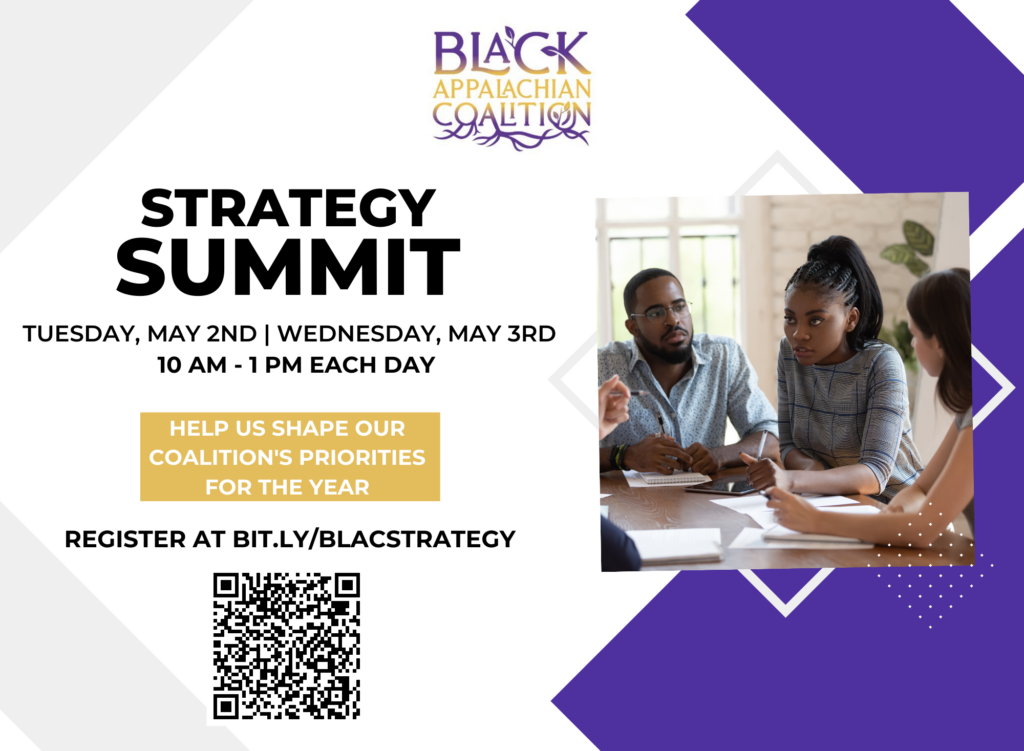
Please join Bishop Marcia and the BLAC community on May 2-3, 2023 for BLAC’s first strategy planning summit: “Voices of the People — Planning the BLAC Agenda.” REGISTER TODAY: https://bit.ly/BlacStrategy Your voice is needed! Please join us and share with other interested people too! To build solidarity, all are welcome. Non-black people are welcome to join this summit and help us with this important work. PLEASE TAKE THIS SURVEY TO HELP US PLAN THIS EVENT AND OUR FUTURE WORK. Note: This form does not register you for the Strategy Summit. It is intended to help us plan the event. White allies are welcome to take the survey. CLICK HERE to fill out this quick survey. You can fill this out anonymously, but if you’re comfortable doing so, we encourage you to use your organization’s name (if applicable) to make sure that we are hearing from a variety of groups and that will help us track input. More than one person from an organization is welcome and encouraged to complete this survey, too, as individuals may have different experiences or opinions to answer the questions. Thank you for taking the time to share your thoughts. This is a powerful and important way for you to bring your voice to help guide our work and our priorities. We value your voice.

BLAC Hosts Strategy Summit Read More »

Black History Month

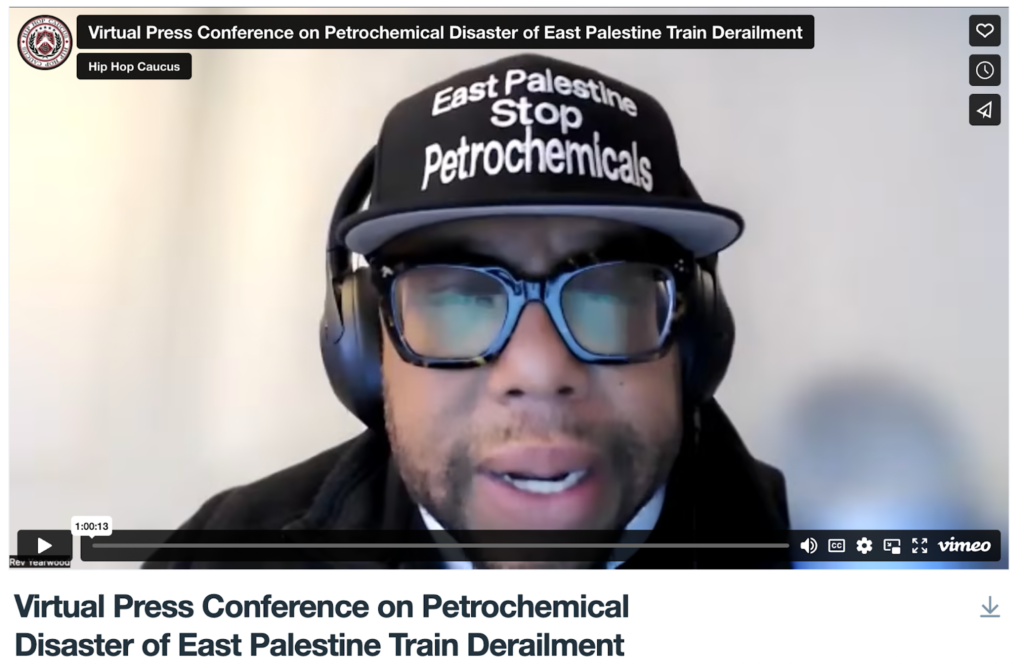
With Black History Month coming to a close, I want to honor the struggles and triumphs of our ancestors and also recognize the passionate work that is happening today. As we all know, Black History is not just an annual event. It’s our daily lived experience, and I am honored to share this journey with you. As I write this note to you, I just stepped away from a press conference with Rev. Yearwood with Hip Hop Caucus and fellow environmental justice advocates from Ohio River Valley, Texas and Louisiana. We discussed the catastrophic damage of the East Palestine train derailment and how petrochemical pollution disproportionately impacts Black, Brown and poor communities across regions.  From the pollution in our communities to the lack of accessible health care, there is much work to do as we fight the injustices happening to Black people each and every day. I invite you to join with us in one of our upcoming events and share your story. Please take a moment to check out what will be happening, and we look forward to connecting with you soon. Warmly, Bishop Marcia DinkinsExecutive DirectorBlack Appalachian Coalition (BLAC)

Black History Month Read More »

Petrochemicals & Plastics

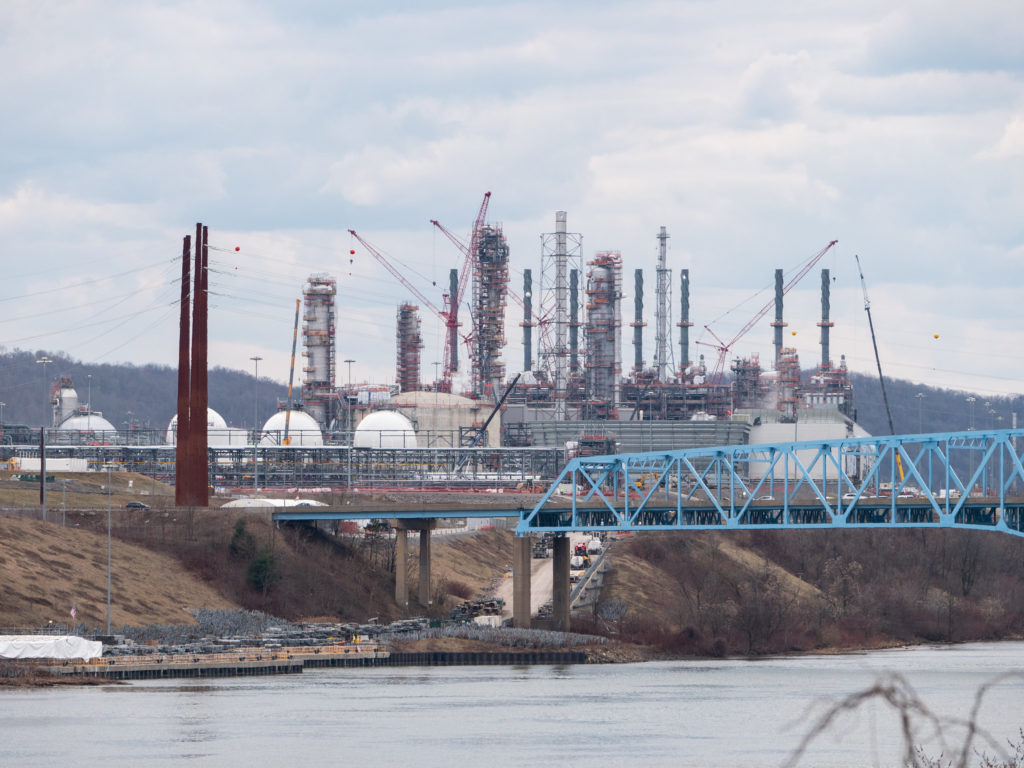
Petrochemicals—oil- and gas-based chemicals used to make plastics and pesticides—are harmful to human health and the environment. The process of making petrochemicals creates dangerous air and water pollution. People living near petrochemical production facilities have higher risk of many types of cancer, birth complications, asthma and respiratory illness, and kidney disease. Children are especially vulnerable to harm from petrochemical pollutants.  Petrochemical production facilities tend to be located in Black communities and poor communities because of decades of racial discrimination in housing and financial services. In majority-Black census tracts, the estimated risk of cancer from toxic air emissions is more than twice the risk found in majority-white tracts. In 2021, the United Nations officially declared petrochemical growth along “Cancer Alley” in the US Gulf Coast a form of environmental racism. Now, petrochemical development has come to Appalachia. Shell’s enormous new petrochemical plant in Beaver County, Pennsylvania threatens our health and our environment. In 2022, the facility went over its annual emissions allowance set by the Pennsylvania Department of Environmental Protection. The facility has also begun churning out plastic pellets, called “nurdles,” into the Ohio River. Learn more about petrochemicals and their outsized threat to Black communities with Bishop Marcia Dinkins, Dr. Melanie Meade, and Rev. Lennox Yearwood, President & CEO of Hip Hop Caucus: PETROCHEMICALS PUT BLACK COMMUNITIES AT RISK. The map below plots oil, gas, and petrochemical sites in the Ohio River Valley and the percentage of Black residents by county and census tract. Click the blue dots for more

Petrochemicals & Plastics Read More »

Petrochemicals Lunch and Learn with BLAC

BLAC Hosts Petrochemical “Lunch & Learn”

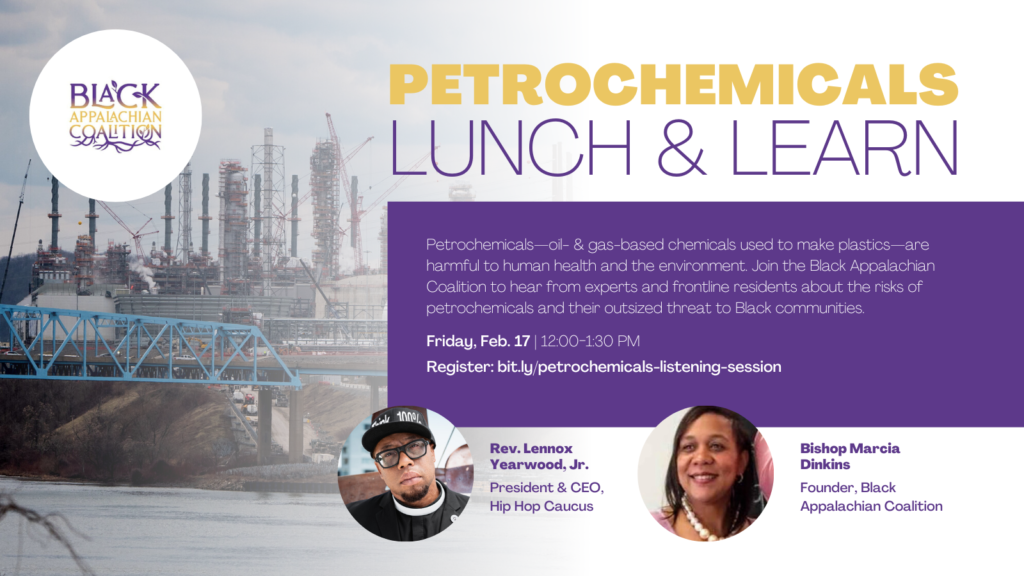
People living near petrochemical production facilities have higher risk of many types of cancer, birth complications, asthma and respiratory illness, and kidney disease. Children are especially vulnerable to harm from petrochemical pollutants. Petrochemical production facilities tend to be located in Black communities and poor communities because of decades of racial discrimination in housing and financial services. In majority-Black census tracts, the estimated risk of cancer from toxic air emissions is more than twice the risk found in majority-white tracts. In 2021, the United Nations officially declared petrochemical growth along “Cancer Alley” in the US Gulf Coast a form of environmental racism. Join the Black Appalachian Coalition- BLAC and Hip Hop Caucus on February 17th at 12:00pm EST to hear from experts and frontline residents about the risks of petrochemicals and their outsized threat to Black communities. Click here to register: bit.ly/petrochemicals-listening-session

BLAC Hosts Petrochemical “Lunch & Learn” Read More »

BLAC Releases New Report on Black Storytelling & Policymaking in Appalachia

In the fall of 2021, BLAC and the Ohio River Valley Institute(ORVI) hosted a series of virtual listening sessions to hear from Black Appalachians. The five sessions were part of the national conversation around infrastructure policy but the subjects weren’t limited to infrastructure. Black Appalachians shared stories about their past and present and thoughts about how the region should move forward. This document highlights some common themes across the sessions related to policymaking in Appalachia. The sessions’ eight hours of rich dialogue can be viewed on BLAC’s YouTube Channel. Click here to download the report in its entirety. 

BLAC Releases New Report on Black Storytelling & Policymaking in Appalachia Read More »

FROM INVISIBLE TO VISIBLE: BLAC TO HOST FIRST POLICY SUMMIT

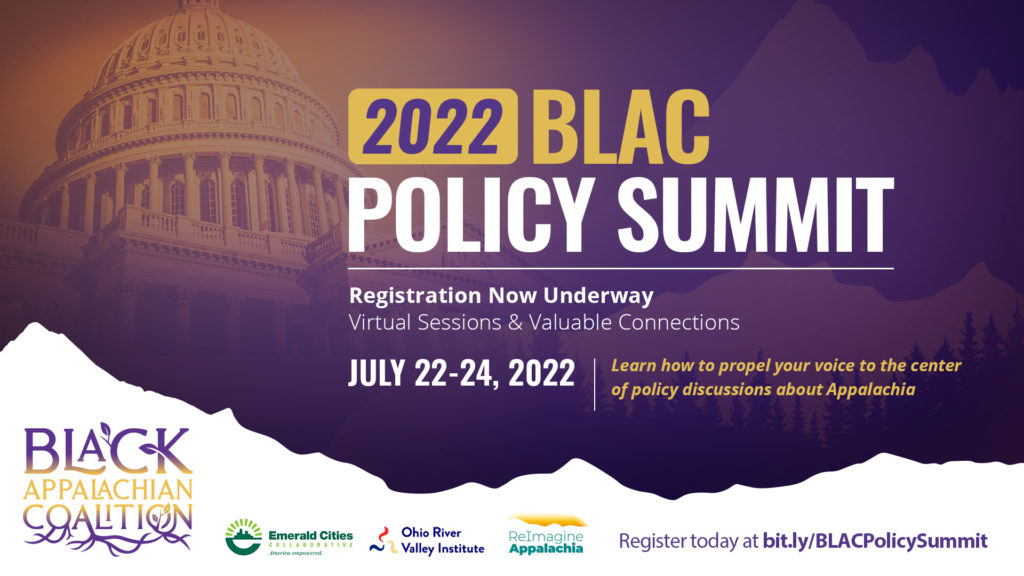
This week, the Black Appalachian Coalition (BLAC) announced the upcoming dates for its first policy summit occurring July 22-24, 2022. The inaugural event, being held virtually, will center around the core theme of Black storytelling as a precondition for policymaking. The multi-day regional summit seeks to amplify Black voices and influence effective, community-centered policies. Click here to view the agenda. “Black people are missing from the policymaking table. Participatory policymaking does not include us,” said Bishop Marcia Dinkins, founder of the Black Appalachian Coalition and executive director of Black Women Rising. Historically, Black communities have been silenced and their stories erased from the Appalachian region. Despite efforts to whitewash our existence, Black Appalachians have played a critical role in the social and economic development of Appalachia. From Black workers in the coal and steel industries to midwives in the care economy, Black people have had a powerful presence. These are the stories that have to be shared. These are the stories that serve as the precursor to advocacy and policy change. By changing the narrative, BLAC can begin to change the power structure of the region and confront the discriminatory practices which left Black Appalachians with fewer opportunities than their white neighbors. “Storytelling has the power to persuade decision-makers and provoke action to implement more inclusive policies. Now is the time to tell the story. Now is the time to build. Now is the time for Black people to be seen. Now is the time for us to be at

FROM INVISIBLE TO VISIBLE: BLAC TO HOST FIRST POLICY SUMMIT Read More »